Selecting the right shooting taper fly line can greatly enhance your steelhead fishing experience. Shooting taper fly lines provide the ideal balance of distance and accuracy, particularly in challenging wind conditions, making them a valuable tool for any angler. I have found that understanding the nuances between shooting taper lines and shooting heads can inform better choices tailored to specific fishing scenarios.
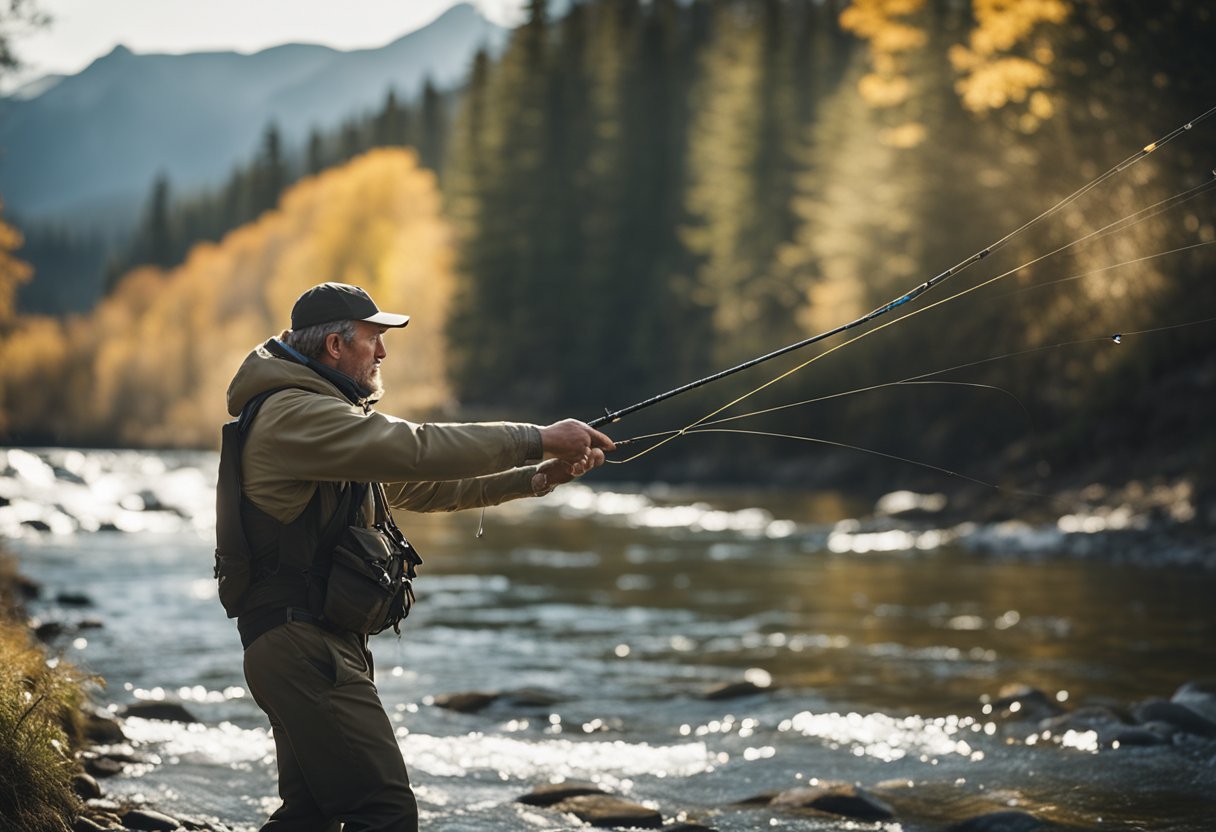
When I choose a shooting taper fly line, I consider factors such as the type of water, my casting style, and necessary presentations. The right line can help achieve a delicate delivery, even in turbulent weather, while maintaining the performance needed for longer casts. By focusing on these aspects, I optimize my setup and increase my chances of landing that elusive steelhead.
Understanding Fly Lines
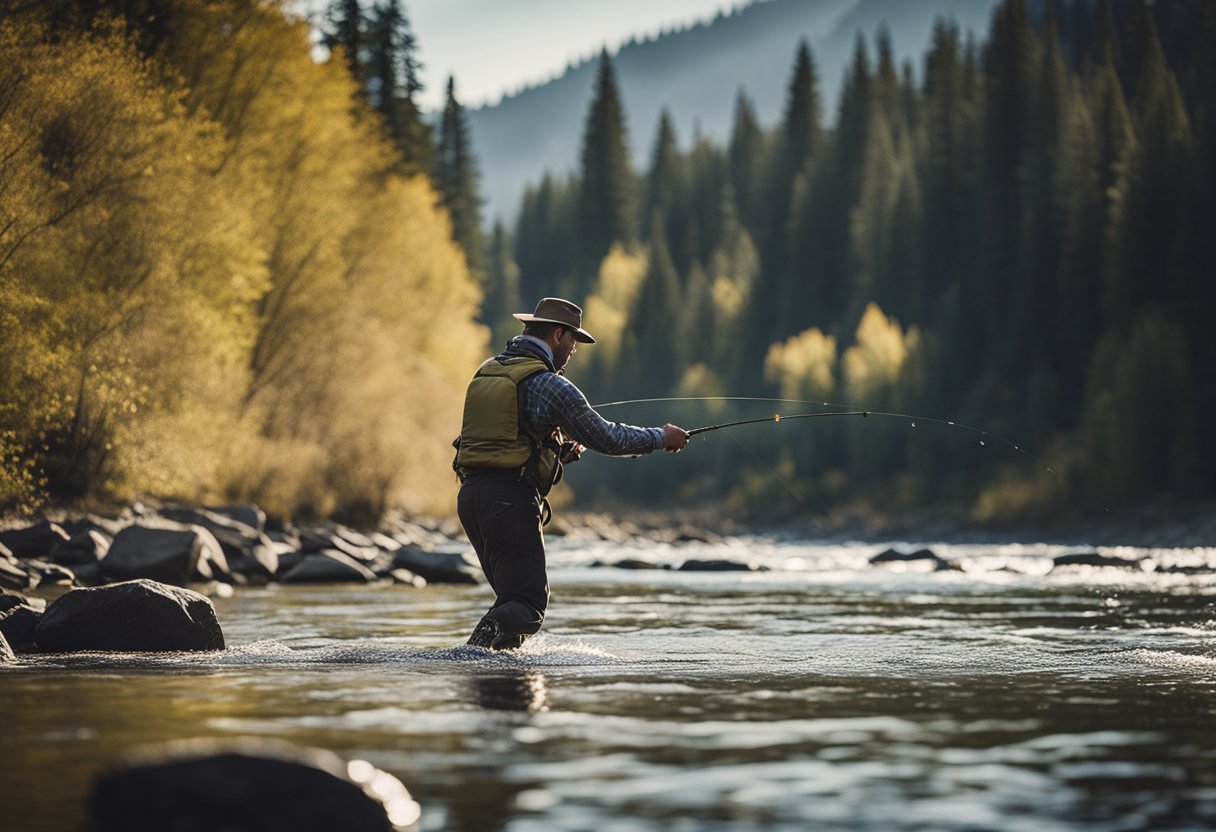
Fly lines are essential tools in fly fishing, and their design affects casting performance and presentation. I focus here on the types, structures, materials, and design considerations of fly lines to help maximize your fishing experience.
Types and Structures
Fly lines come in various types, each serving specific purposes.
- Double Taper (DT) Lines: These lines taper on both ends, making them excellent for delicate presentations and roll casts.
- Weight Forward (WF) Lines: These lines have a heavier front taper, which aids in casting distance and accuracy.
- Shooting Taper Lines: They are designed for long-distance casting with fewer false casts, allowing for quick line shooting.
- Sinking and Floating Lines: Sinking lines help in reaching deeper water, while floating lines stay on the surface, ideal for surface presentations.
The choice between these types is essential based on fishing conditions and target species.
Material and Design Considerations
The material of fly lines significantly impacts performance. Most modern lines are made from PVC or polyurethane, providing flexibility and resistance to wear.
A front taper determines how the line transitions to the leader, affecting turnover and accuracy. The head taper influences the line’s casting characteristics, with longer heads facilitating better distance casting.
When considering floating heads, I prefer those with a slick finish for improved castability. Sinking lines often incorporate varying densities, impacting their sink rates.
Choosing the right combination of materials and design features is crucial for optimizing casting techniques and enhancing fishing success.
The Basics of Shooting Taper Fly Lines
Shooting taper fly lines are designed for distance casting and performance in various fishing conditions. They feature distinct components that set them apart from traditional fly lines, enhancing efficiency and control during casting.
Components of Shooting Taper Lines
Shooting taper fly lines typically consist of three main components:
- Front Taper: This section helps transition the energy from the rod to the line smoothly. A well-designed front taper enables a delicate presentation of the fly while providing enough mass to facilitate long casts.
- Integrated Shooting Head: This part combines the benefits of a shooting head with a running line, allowing for seamless casting and retrieval. The shooting head is heavier, achieving greater distance while the running line maintains control.
- Running Line: The thinner section that follows the shooting head facilitates fast line retrieval and reduces drag. Its smooth surface minimizes friction through the guides, enhancing casting efficiency.
Advantages Over Traditional Fly Lines
Shooting taper fly lines offer several advantages compared to conventional lines:
- Distance: The design allows for longer casts with less effort, making it easier to reach distant targets, particularly in larger water bodies.
- Accuracy: These lines provide improved control during the cast, enhancing my ability to place the fly precisely where I want it.
- Wind Resistance: The streamlined profile combats wind more effectively, allowing me to make accurate presentations in breezy conditions.
Using a shooting taper line improves my casting skills and increases my chances of success, especially when targeting species like steelhead.
Opting for Shooting Taper Vs Shooting Head
When deciding between shooting taper fly lines and shooting heads, it’s essential to consider the specific fishing conditions and personal preferences. Each type has its unique features and benefits that cater to different fishing scenarios.
Shooting Heads Explained
Shooting heads consist of a weighted front section designed to carry the fly, attached to a running line. They provide an excellent balance for casting in various distances. The integrated shooting head simplifies the setup, combining both components into one streamlined unit. This design minimizes tangling and maximizes ease of use.
A key characteristic of shooting heads is their versatility. They excel when casting large flies in windy conditions or reaching distant targets. I appreciate the ability to match different head weights for specific water types, enhancing my accuracy with lighter setups. Mono running lines often accompany these heads, allowing for longer casts and better line management.
Comparative Analysis
Comparing shooting taper fly lines with shooting heads offers insights into their strengths. Shooting taper lines feature a gradual front taper, enhancing turnover. They are ideal for delicate presentations and casting lighter flies with precision.
In contrast, shooting heads provide more energy transfer, creating powerful casts against winds or strong currents. They are often better for targeting specific depths, especially in moving water, making them more suitable for steelhead fishing.
Considerations:
- Casting Technique: Shooting heads often require more practice to use effectively, while taper lines are generally more forgiving.
- Fly Size: Heavier or larger flies pair better with shooting heads for effective casting.
Ultimately, the choice between them depends on the specific fishing environment and the type of flies I intend to use.
Choosing the Best Shooting Taper Fly Line
When selecting a shooting taper fly line, it’s important to focus on the target species, the water conditions, and how the line matches with your rod. Steelhead fishing requires precision, especially when utilizing heavy flies and sink tips.
Considering the Target Species
For steelhead fishing, I prioritize lines that can handle a variety of water conditions and fly sizes. Steelhead are known for their strength and unpredictability, which necessitates a robust line capable of casting heavy flies. I often opt for shooting taper lines designed to deliver these larger offerings effectively.
If I’m targeting steelhead in a river, I look for lines that offer a good balance of power and sensitivity for detecting soft takes. The taper of the line should facilitate both long casts and short, accurate presentations when needed, ensuring that I can adapt to varying conditions.
Water Conditions and Presentation
The water conditions play a crucial role in my fly line selection. In fast-moving rivers, I must choose a line that can cut through wind and reach the right depths. A shooting taper fly line works well in these scenarios due to its inherent design, allowing efficient energy transfer during casts.
When fishing in still or slow-moving waters, delicacy in presentation can be critical. I often select a line with a lighter front taper to present my flies subtly, especially in clear conditions where spookiness can be an issue.
Line Weight and Rod Compatibility
Matching my shooting taper fly line to the rod weight is essential for optimal performance. I typically choose a line that matches the rod weight, often one line weight heavier for better short-distance delivery with heavy flies.
Using the correct weight ensures that the line loads the rod properly, resulting in improved casting accuracy. If I use a sink tip, I pay even closer attention to compatibility, as it affects the overall balance and performance of my setup during steelhead fishing.
I keep a range of line weights on hand to adapt to different rods and fishing situations. This versatility allows me to make informed choices based on specific fishing conditions, enhancing my experience on the water.
Specialty Shooting Taper Lines for Conditions
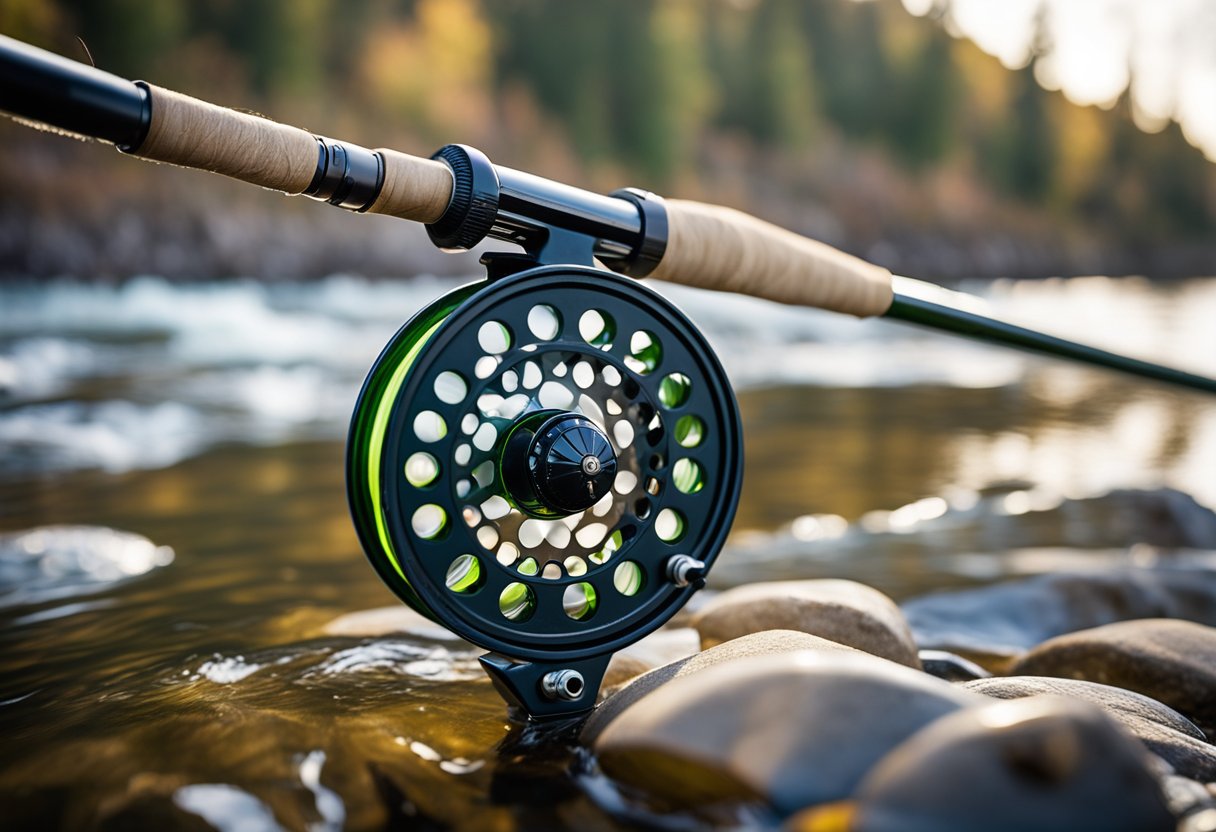
Selecting the right shooting taper fly line can significantly enhance your fishing experience, especially when facing specific environmental challenges. Whether it’s battling strong winds or navigating deeper waters, understanding specialty lines can make all the difference.
For Windy Environments
When fishing in windy conditions, I prefer lines designed to cut through the breeze effectively. The Wulff Ambush line stands out for this purpose, featuring a unique taper that provides better aerodynamics. This line helps maintain casting accuracy while delivering flies to the desired zone.
Another option is the Rio Outbound Short. With its heavier head, it allows for improved turnover and distance without excessive backcasting. The combination of weight and taper enables me to minimize tangles and maximize efficiency in challenging winds.
Sink Tips for Depth Control
For situations requiring deeper presentations, sink tips are essential. Specialty shooting taper lines often incorporate sink tips to help reach fish at various depths. This design facilitates better control during the swing, ensuring the fly stays in the strike zone longer.
For instance, combining a shooting taper with a sink tip can allow for effective swinging of flies at different depths. The versatility of these lines helps adapt to varying water conditions, making it easier to target steelhead and other species effectively.
Choosing the right sink tip can enhance my ability to adjust to changing conditions, ensuring that I connect with fish when it matters most.
Tactics and Techniques
When fishing for steelhead, employing the right tactics and techniques is crucial. I focus on effective casting methods and presentation strategies to maximize my chances of success.
Effective Casting Methods
One of the best techniques I use is the double haul. This method increases line speed and distance, making it easier to cast heavy flies in windy conditions. I find that combining the double haul with a strong snap of the wrist helps send my line out smoothly.
Casting in various situations is important. For example, when targeting steelhead with heavy flies, I prefer a low, controlled casting motion to keep the line close to the water. In contrast, for dry fly fishing, I adopt a delicate presentation, allowing the fly to land softly on the surface.
The Wulff Ambush technique is effective for precise casting, especially in tricky currents. By making sure that my fly lands at the right angle, I create a more enticing presentation for the fish.
Presentation Strategies
Presentation is key for attracting steelhead. I concentrate on using different methods based on conditions. For nymphing, I use slow, steady retrieves that mimic natural movement underwater, increasing my chances of a strike.
When swinging flies, I employ a strategic approach. I focus on the swing angle and speed, making sure the fly behaves naturally in the water. Varying the depth can also entice fish that might be holding in different water columns.
For delicate presentations, I pay close attention to my leader setup. A longer leader can help in keeping the fly line off the water, allowing for a more subtle approach. Adjusting my technique based on the day’s conditions has proven beneficial for me.
The Role of Fly Line in Fly Fishing Success
The fly line plays a crucial role in the effectiveness of my fly fishing experiences. Its characteristics directly impact techniques, catch rates, and overall fishing success. Understanding how the right fly line can enhance my performance is essential.
Influence on Catch Rates
The type of fly line I choose directly influences my catch rates. For techniques like nymphing or swinging flies, the right line allows for optimal presentation. A shooting taper line helps to cast heavy flies efficiently while maintaining a delicate presentation.
In windy conditions, using a shooting taper ensures that I can get my fly to the desired location while minimizing drag. It also allows me to perform a proper double haul, which adds distance and accuracy to my casts. Each line’s taper and weight determine how well I can control my fly’s movement, thus improving my chances of hooking fish like bonefish, permit, or even tarpon.
Marketing and Consumer Awareness
Understanding the nuances of different fly lines is essential as a consumer. Marketing often emphasizes performance features, yet it’s crucial for me to recognize how various lines cater to specific styles. For example, a shooting head versus a shooting taper can dramatically change my experience based on target species and fishing conditions.
I pay attention to detailed descriptions that focus on benefits rather than just specifications. This awareness allows me to choose lines that complement my techniques, whether I am engaging in dry fly fishing or targeting species like steelhead. Engaging with communities and reviews also aids in navigating the landscape of fly line options, ensuring informed decisions.
Equipment and Gear Selection
Selecting the right gear is crucial when using shooting taper fly lines. The combination of line, rod, and accessories directly affects performance and casting efficiency. I focus on pairing lines appropriately with rods and optimizing the setup with essential accessories.
Pairing Lines with Rods
When choosing a shooting taper fly line, I consider the rod’s specifications, particularly its weight (WT) rating. For instance, a switch rod typically pairs well with a shorter shooting head. This allows for better control in tight situations.
I also take into account the desired casting distance and techniques. Lighter lines perform well on fast-action rods, while heavier lines benefit from slower-action rods. I often prefer brands like Rio Gold for versatility, especially in varied water conditions. A precise match enhances sensitivity, allowing me to detect even subtle strikes.
Accessorizing for Optimization
To fully optimize my shooting taper setup, I use specific accessories. I commonly utilize a mono running line for its minimal memory and low visibility in water. This complements my shooting head effectively, ensuring smooth casting and retrieval.
Additionally, I consider using Amnesia line as a backing. Its low stretch helps in preserving sensitivity and maintaining the strength needed for steelhead. I also keep options for sinking lines on hand; they can be beneficial in deeper waters. Each accessory plays a vital role in my success, enhancing my overall experience on the water.