When it comes to choosing between a tapered leader and a level line, understanding their differences is crucial for effective fly fishing. Tapered leaders gradually decrease in diameter, allowing for better presentation of the fly, while level lines maintain a consistent thickness throughout. This distinction can significantly impact your casting accuracy and the fish’s response to your lure.
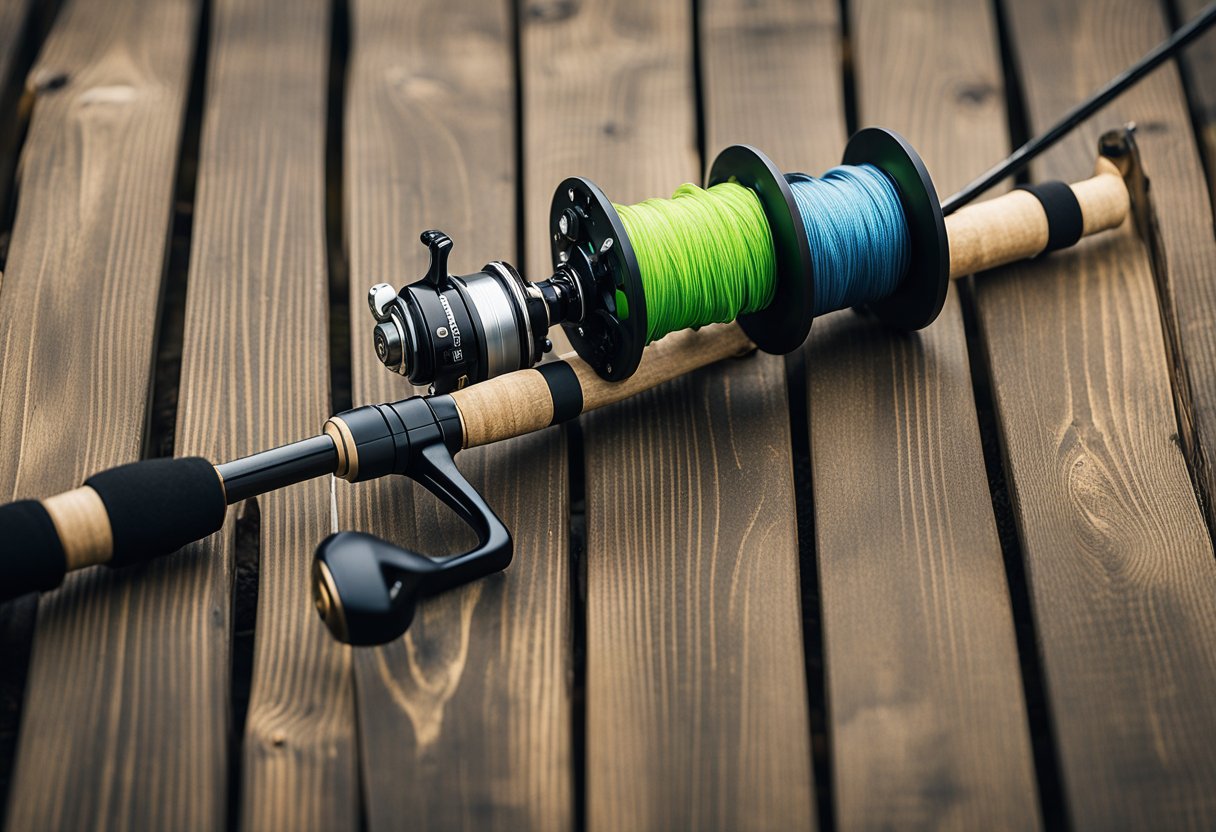
I often find that using fluorocarbon level lines offers unique advantages, such as increased invisibility underwater and enhanced abrasion resistance. On the other hand, nylon level lines are typically more flexible, which can be beneficial in certain fishing conditions. Knowing how to use both types of line effectively allows me to adapt to various environments and target species.
Understanding how to utilize level line tapers can elevate my fly fishing experience. I can adjust my technique based on the specific line type I’m using to optimize my success on the water. By mastering these elements, I can ensure that my presentation meets the needs of different fishing situations.
Understanding Leaders in Fly Fishing
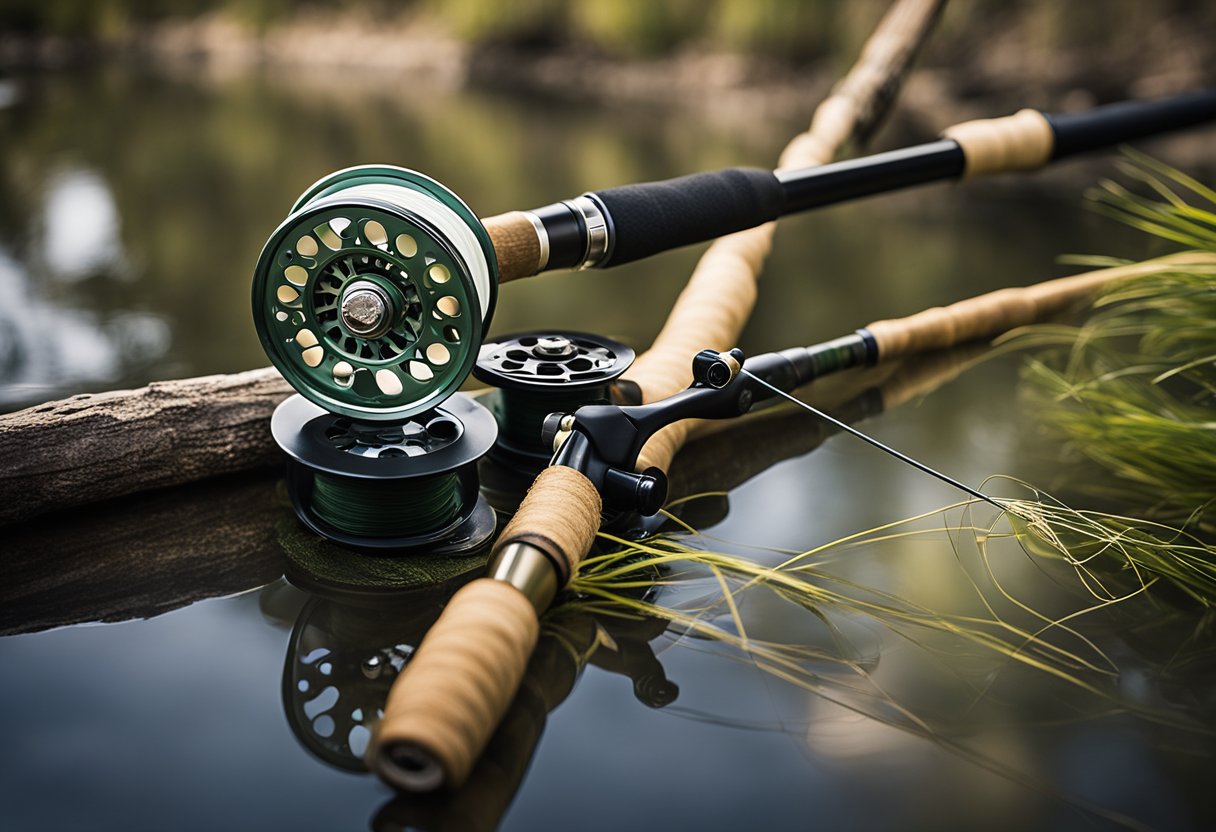
Leaders are vital components in fly fishing, directly affecting my casting accuracy and presentation. Whether I choose a tapered or level leader impacts the overall success of my fishing experience.
Tapered Leader vs Level Leader
A tapered leader transitions from a thicker butt section to a thinner tippet. This design enhances turnover and aids in delicate presentations, particularly under windy conditions. The gradual taper helps reduce drag, allowing the fly to land softly on the water.
In contrast, a level leader maintains a consistent diameter throughout. While this can provide durability, it often lacks the finesse needed for optimal fly presentation. Level lines, however, can excel in certain situations, such as when fishing with heavy flies or during windy conditions where stealth is less crucial.
The Role of Taper in Leader Design
The taper in a leader serves multiple functions essential for effective fly fishing. First, it influences casting distance and accuracy. A well-tapered line offers reduced wind resistance, enabling longer casts with finer control.
Additionally, taper affects drag on the water. Thicker sections help to manage sag while thinner tippets enhance stealth, allowing flies to mimic natural behavior. When selecting leaders, I carefully consider the type of water and the species targeted, adjusting my choice between tapered and level leaders to suit specific conditions and techniques. This knowledge allows me to optimize my approach for different fishing scenarios.
Material Differences in Leaders and Lines
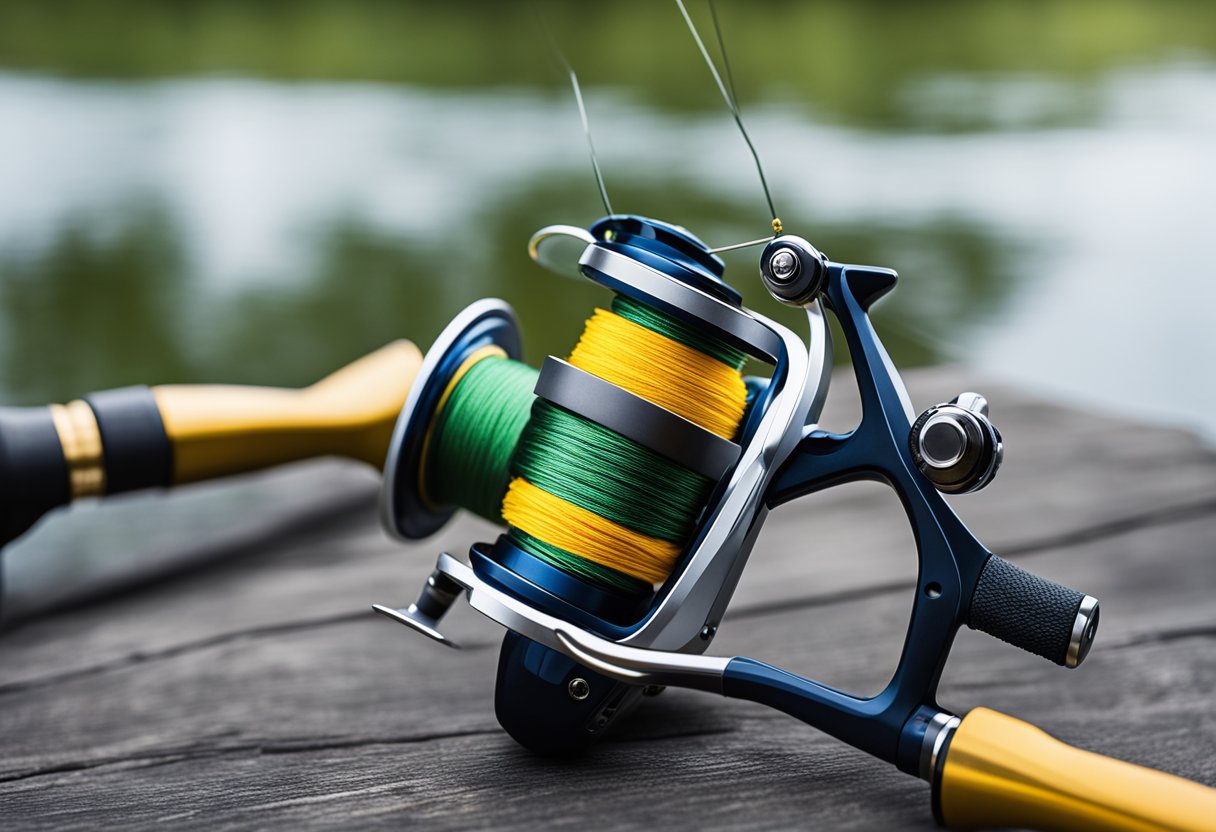
When I consider the material differences in leaders and lines, I focus primarily on fluorocarbon and nylon. Each material offers specific benefits tailored to various fishing techniques and conditions. Understanding these differences enhances my approach to fly fishing.
Fluorocarbon Level Line Taper
Fluorocarbon is known for its low visibility underwater, which makes it an excellent choice for discerning fish. I often prefer fluorocarbon level lines due to their sinking properties, promoting a natural appearance in the water. This characteristic is particularly beneficial when targeting species that are easily spooked.
Fluorocarbon is also resistant to abrasion, which protects against sharp objects underwater. The sensitivity of fluorocarbon allows me to detect subtle bites, improving my catch rate. Additionally, it has minimal stretch, providing better hook setting power. In situations where stealth and presentation are crucial, fluorocarbon level line taper proves effective.
Nylon Level Line Taper
Nylon, or nylon monofilament, is another widely used material in both leaders and lines. Its buoyancy can be advantageous when I want my fly to stay near the surface. Nylon level line taper is typically more forgiving than fluorocarbon, offering a bit more stretch, which is useful for absorbing the shock of a striking fish.
I appreciate that nylon lines typically have better knot strength compared to fluorocarbon. This reliability is especially important when fishing for stubborn species. However, nylon is more visible underwater, requiring careful consideration of fishing conditions. Ultimately, my choice between nylon and fluorocarbon depends on the target species and the fishing environment.
Applications and Techniques
Understanding how to effectively use level line tapers and their applications in various fishing scenarios can greatly enhance my fly fishing experience. These techniques are especially relevant in tenkara fishing, where the nuances of line choice make a significant difference.
How to Use Level Line Taper
Using a level line taper involves selecting the right weight for the fishing conditions. I typically tie a tippet ring to the end of the level line to facilitate quick changes between tippets for different presentations.
The construction of a level line creates minimal sag, allowing maximum energy transfer when casting. As I cast dry flies or nymphs, I maintain a gentle yet deliberate motion to ensure the fly lands softly on the water. When fishing with nymphs, I pay special attention to maintaining a straight line to feel the subtle bites. I also monitor the rod tip for any sign of movement, which often indicates a strike.
Incorporating Tapers into Tenkara
In tenkara, incorporating tapers enhances my precision and control. I often use a tapered line when fishing in small streams where accuracy is crucial. Attaching a furled line leader to my tenkara line improves the roll cast effectiveness and helps me present my kebari delicately.
I adjust my tippet length based on the conditions. For instance, longer tippets work well in clear water, allowing for a more natural drift. When using dry flies, I focus on keeping my line floating, ensuring minimal drag. I find that a well-placed tapered line can catch the attention of even the most cautious fish.