When it comes to fly fishing, the right fly line can significantly impact your success on the water. Choosing the best level line taper is essential for improving casting accuracy and presentation, especially when targeting species like trout. With various brands and options available, it can be challenging to determine which taper is right for your fishing style.
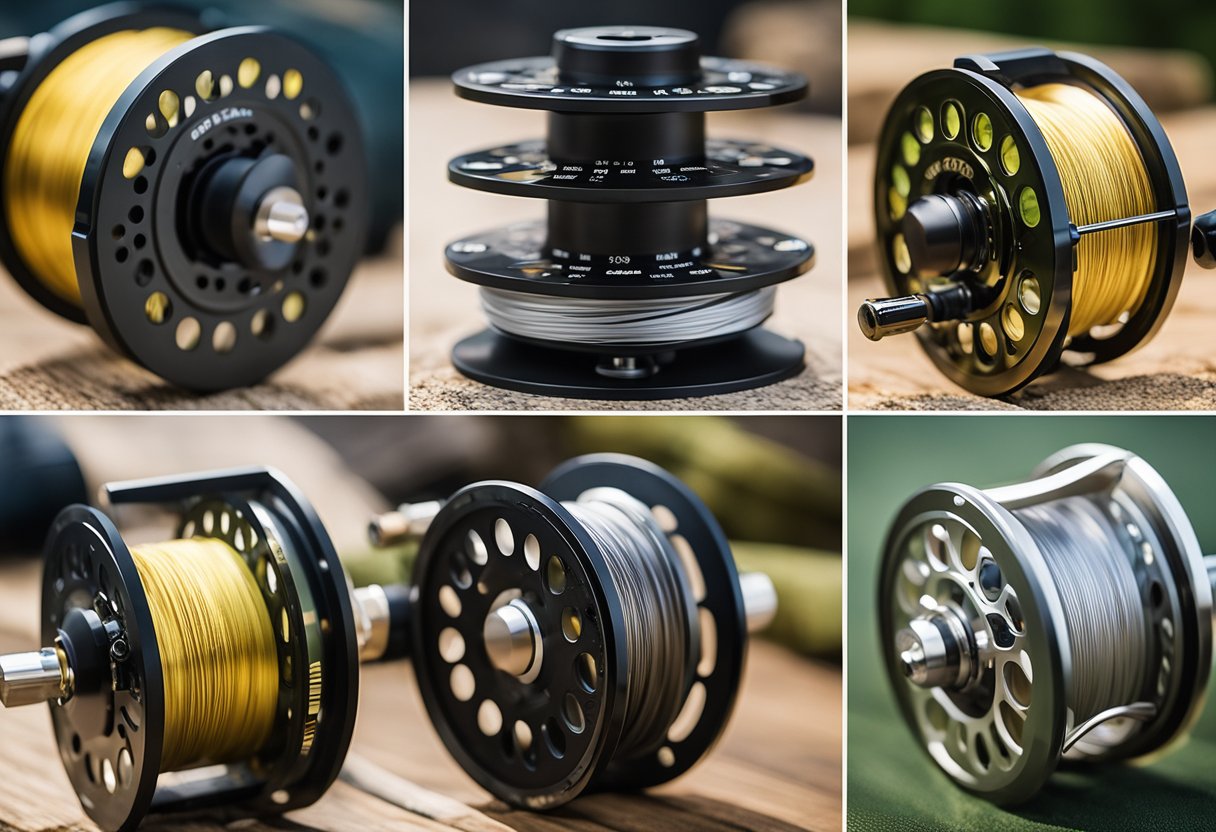
In this post, I will explore the top brands known for their quality level line tapers and discuss how to choose the best option for your needs. Additionally, I will compare level line tapers with weight-forward lines to help you understand their respective advantages. Whether you’re a seasoned angler or just starting out, this information will guide you in making informed decisions that enhance your fly fishing experience.
Understanding Line Taper Designs
Line taper design plays a crucial role in fly fishing performance. Different tapers affect casting distance, accuracy, and overall line control. Two primary designs stand out: level line taper and weight forward taper.
Level Line Taper Essentials
A level line taper features a uniform diameter throughout its length. This consistency provides a smooth and direct transfer of energy during casting.
Advantages of Level Lines:
- Precision Casting: Best for making accurate presentations.
- Versatility: Works well in various fishing conditions.
- Ideal for Beginners: Easier to control for those new to fly fishing.
Level lines excel in quick snap casts and delicate presentations. They are well-suited for use with light flies, allowing for more control over the fishing line during retrieval.
Weight Forward Taper Dynamics
Weight forward tapers have a thicker section at the front, allowing for increased casting distance and improved turnover of larger flies.
Key Features:
- Front-loaded Design: Helps in loading the rod quickly.
- Optimized for Distance: Effective for long casts with minimal effort.
- Enhanced Control: Provides better line management in windy conditions.
I often prefer weight forward tapers when targeting larger species or during windy days. They allow for greater casting efficiency and can handle varying lengths of line with ease.
Choosing the Right Level Line Taper
Selecting the appropriate level line taper involves understanding your specific fishing needs and the conditions you will face. Key factors include environmental conditions, target species, and casting techniques. My experience with various lines provides insight into making a well-informed choice.
Factors Influencing Line Taper Selection
When choosing a line taper, consider aspects such as water type, wind conditions, and fish behavior. For instance, a level line taper works best in calm waters and moderate wind, providing consistent casting and accuracy.
- Water Type: Still water may benefit from a longer taper for delicate presentations, while moving water often requires aggressive tapers for quick, accurate casts.
- Wind Conditions: Strong winds typically call for lines with additional weight forward to assist in overcoming resistance.
- Target Species: Different species react differently to line types. Trout often prefer a subtle line presentation, making a level taper more effective.
Understanding these factors helps refine your choice to suit specific scenarios.
Level Line Taper vs Weight Forward Comparison
Comparing level line tapers with weight forward lines reveals distinct benefits. Level lines offer a uniform diameter, allowing for better control and sensitivity. This can be crucial when fishing for species like trout, where subtle bites are common.
In contrast, weight forward lines feature increased weight towards the front, which facilitates powerful, long-distance casts. This is advantageous in windy conditions or when targeting larger fish in open waters.
| Feature | Level Line Taper | Weight Forward Line |
|---|---|---|
| Casting Distance | Moderate | Excellent |
| Sensitivity | High | Moderate |
| Wind Resistance | Lower | Higher |
| Best Use | Still waters, precision | Moving waters, power |
Choosing between these styles ultimately depends on my fishing environment and target species.
Best Brands for Level Line Taper
When selecting a level line taper, I consider several reputable brands known for quality and performance.
- Rio Products
Renowned for their innovation, Rio offers a variety of level lines tailored to different fishing conditions. - Scientific Anglers
This brand is known for producing highly durable and effective fly lines. Their level tapers are designed to ensure casting efficiency. - Airflo
Airflo’s level lines are celebrated for their unique technology and versatility, making them a favorite among freshwater anglers. - Hardy
With a long-standing history in fly fishing, Hardy provides level lines that combine tradition with modern performance. - Orvis
Known for quality gear, Orvis has level lines that are reliable and suitable for various fishing styles.
I rely on these brands due to their commitment to quality and feedback from the fishing community. Each company offers unique characteristics, so I recommend considering what matches your fishing style and needs.
Optimizing Trout Fishing with Level Line Tapers
When targeting trout, selecting the right level line taper can significantly enhance my fishing experience. I prefer using a taper that allows for accurate casting and a natural presentation of the fly.
A few factors to consider when optimizing my setup include:
- Line Weight: Matching the line weight to the rod and the type of trout I aim to catch is essential.
- Taper Profile: I look for a taper that provides enough delicacy for lightweight flies and accurate placement.
- Material: Choosing a durable, supple material helps in casting and managing different water conditions.
I often evaluate different brands to find the best fit for my needs. Some well-regarded brands include:
| Brand | Features |
|---|---|
| RIO | Known for versatility and durability |
| Scientific Anglers | Offers smooth casting performance |
| Cortland | Great for various fishing conditions |
Using a level line taper provides advantages over a weight forward line. I find that level lines offer superior control and precision, especially in technical waters.
For trout fishing, I focus on lighter level taper lines to improve my ability to present flies naturally. This allows me to mimic the local insect life, increasing my success rate significantly.