**How to Choose TIDEWE Breathable Chest Wader, 1600G Insulation Waterproof Hunting Wader with Steel Shank Boots & 200G Insulated Liner**
When it comes to fishing or hunting in cold and wet conditions, having the right gear is essential for both comfort and performance. The TIDEWE Breathable Chest Wader is a standout choice for anglers and hunters who demand durability, warmth, and waterproof protection. With features like 1600G insulation, a waterproof design, steel shank boots, and a 200G insulated liner, this wader is built to handle the toughest environments. But how do you choose the right TIDEWE wader for your needs? Here’s a comprehensive guide to help you make an informed decision.
### 1. **Understand Your Needs**
Before diving into the specifics of the TIDEWE wader, it’s important to assess your needs. Are you fishing in icy waters, hunting in marshy terrains, or simply wading through shallow streams? The TIDEWE Breathable Chest Wader is designed for extreme conditions, making it ideal for cold-weather fishing and hunting. If you’re someone who spends long hours outdoors in chilly environments, this wader’s 1600G insulation and 200G insulated liner will keep you warm and comfortable.
### 2. **Evaluate the Insulation**
The TIDEWE wader features 1600G insulation, which is one of its standout features. This level of insulation is perfect for freezing temperatures, ensuring that your body heat is retained even in the coldest conditions. The 200G insulated liner adds an extra layer of warmth, making it suitable for extended periods outdoors. If you’re planning to fish or hunt in sub-zero temperatures, this wader is a must-have.
### 3. **Check the Waterproof Features**
Waterproofing is a critical factor when choosing a wader. The TIDEWE Breathable Chest Wader is constructed with high-quality materials that provide excellent waterproof protection. The breathable fabric ensures that sweat and moisture are effectively wicked away, keeping you dry from both external water and internal perspiration. This feature is particularly important for those who engage in high-intensity activities like hiking to remote fishing spots or stalking game in wet environments.
### 4. **Consider the Boots**
The steel shank boots integrated into the TIDEWE wader are designed for stability and support. The steel shank provides excellent arch support, reducing fatigue during long treks. Additionally, the boots are insulated to keep your feet warm, even in freezing water. When choosing a wader, pay attention to the boot fit and comfort. The TIDEWE wader offers a snug fit, ensuring that your feet stay secure and comfortable throughout your adventure.
### 5. **Assess the Durability**
Durability is another key factor to consider. The TIDEWE wader is built to withstand harsh conditions, from rocky riverbeds to thorny underbrush. The reinforced seams and heavy-duty materials ensure that the wader can handle wear and tear over time. If you’re someone who frequently ventures into rugged terrains, this wader’s durability will be a significant advantage.
### 6. **Fit and Comfort**
A proper fit is crucial for both comfort and functionality. The TIDEWE Breathable Chest Wader is available in various sizes, so it’s important to choose one that fits you well. A wader that’s too tight can restrict movement, while one that’s too loose may not provide adequate insulation or waterproofing. The adjustable straps and suspenders on the TIDEWE wader allow for a customized fit, ensuring maximum comfort and mobility.
### 7. **Additional Features**
The TIDEWE wader also comes with several additional features that enhance its usability. The chest pocket provides convenient storage for small essentials like fishing lures or hunting calls. The neoprene booties offer added comfort and warmth, while the gravel guards prevent debris from entering the boots. These small but significant details make the TIDEWE wader a versatile and practical choice for outdoor enthusiasts.
### Conclusion
Choosing the right wader can make a world of difference in your fishing or hunting experience. The TIDEWE Breathable Chest Wader, with its 1600G insulation, waterproof design, steel shank boots, and 200G insulated liner, is a top-tier option for those who brave cold and wet conditions. By considering factors like insulation, waterproofing, durability, and fit, you can ensure that you select the perfect wader for your needs. Whether you’re casting a line in icy waters or tracking game through marshy terrain, the TIDEWE wader will keep you warm, dry, and comfortable, allowing you to focus on what you love most—the great outdoors.
So, if you’re ready to elevate your fishing or hunting game, the TIDEWE Breathable Chest Wader is a reliable and high-performance choice that won’t disappoint. Happy fishing and hunting!
**How to Choose MAX COMFORT Breathable Waterproof Hip Stocking Foot Wader for Fishing, Hunting, and Multi-purpose**
When it comes to fishing, hunting, or any outdoor activity that requires wading through water, having the right gear is essential. One of the most critical pieces of equipment is the wader, and the **MAX COMFORT Breathable Waterproof Hip Stocking Foot Wader** is a top choice for anglers and outdoor enthusiasts alike. In this article, we’ll guide you through the key factors to consider when choosing the perfect wader for your needs, focusing on the features that make the MAX COMFORT wader stand out.
### 1. **Material and Breathability**
The first thing to consider when selecting a wader is the material. The MAX COMFORT wader is made from high-quality, breathable waterproof fabric that ensures you stay dry and comfortable throughout your adventure. Breathability is crucial because it allows moisture from sweat to escape, preventing that clammy, uncomfortable feeling that can occur with non-breathable materials. This feature is especially important during long fishing trips or hunts, where you might be on your feet for hours.
### 2. **Waterproof Design**
As the name suggests, the MAX COMFORT wader is fully waterproof, which is a must-have feature for any wader. Whether you’re wading through shallow streams or deeper waters, you need to be confident that your gear will keep you dry. The waterproof design of the MAX COMFORT wader ensures that water stays out, even in challenging conditions. Look for reinforced seams and high-quality zippers, as these are often the weak points in less durable waders.
### 3. **Fit and Comfort**
Comfort is key when it comes to waders, and the MAX COMFORT wader lives up to its name. The hip stocking design provides a snug fit that allows for maximum mobility, which is essential when you’re navigating uneven terrain or casting your line. The wader should fit comfortably without being too tight or too loose, as an improper fit can lead to discomfort or even accidents. The MAX COMFORT wader is designed with adjustable straps and a flexible fit, ensuring that it can accommodate a wide range of body types.
### 4. **Durability**
Fishing and hunting can be tough on gear, so durability is a critical factor. The MAX COMFORT wader is built to withstand the rigors of outdoor activities, with reinforced knees and seat areas that are prone to wear and tear. Additionally, the wader is made from abrasion-resistant material, which helps protect against punctures and tears from rocks, branches, and other hazards you might encounter in the wild.
### 5. **Multi-purpose Use**
One of the standout features of the MAX COMFORT wader is its versatility. While it’s an excellent choice for fishing, it’s also well-suited for hunting and other outdoor activities. The wader’s design allows for easy movement, making it ideal for traversing different terrains. Whether you’re stalking game in a marsh or fly fishing in a river, the MAX COMFORT wader has you covered.
### 6. **Ease of Maintenance**
After a long day on the water, the last thing you want is a wader that’s difficult to clean and maintain. The MAX COMFORT wader is designed for easy care, with a surface that resists dirt and stains. Simply rinse it off with fresh water after use, and it’s ready for your next adventure. This low-maintenance design ensures that your wader will last for many seasons to come.
### 7. **Price and Value**
Finally, consider the price and overall value of the wader. While the MAX COMFORT wader may come with a higher price tag than some budget options, its superior quality, durability, and comfort make it a worthwhile investment. When you’re spending hours in the water, having gear that performs well and lasts long is invaluable.
### Conclusion
Choosing the right wader is essential for any fishing or hunting expedition, and the **MAX COMFORT Breathable Waterproof Hip Stocking Foot Wader** is an excellent choice for those who demand the best. With its breathable, waterproof design, comfortable fit, and durable construction, this wader is built to handle the toughest conditions while keeping you dry and comfortable. Whether you’re an avid angler or a seasoned hunter, the MAX COMFORT wader is a reliable companion for all your outdoor adventures.
Investing in high-quality gear like the MAX COMFORT wader not only enhances your performance but also ensures that you can enjoy your time in the great outdoors without worrying about your equipment. So, before your next fishing trip or hunting expedition, make sure you’re equipped with the best—choose the MAX COMFORT wader and experience the difference for yourself.
When it comes to fly fishing, the right fly line can significantly impact your success on the water. Choosing the best level line taper is essential for improving casting accuracy and presentation, especially when targeting species like trout. With various brands and options available, it can be challenging to determine which taper is right for your fishing style.
In this post, I will explore the top brands known for their quality level line tapers and discuss how to choose the best option for your needs. Additionally, I will compare level line tapers with weight-forward lines to help you understand their respective advantages. Whether you’re a seasoned angler or just starting out, this information will guide you in making informed decisions that enhance your fly fishing experience.
Understanding Line Taper Designs
Line taper design plays a crucial role in fly fishing performance. Different tapers affect casting distance, accuracy, and overall line control. Two primary designs stand out: level line taper and weight forward taper.
Level Line Taper Essentials
A level line taper features a uniform diameter throughout its length. This consistency provides a smooth and direct transfer of energy during casting.
Advantages of Level Lines:
Precision Casting: Best for making accurate presentations.
Versatility: Works well in various fishing conditions.
Ideal for Beginners: Easier to control for those new to fly fishing.
Level lines excel in quick snap casts and delicate presentations. They are well-suited for use with light flies, allowing for more control over the fishing line during retrieval.
Weight Forward Taper Dynamics
Weight forward tapers have a thicker section at the front, allowing for increased casting distance and improved turnover of larger flies.
Key Features:
Front-loaded Design: Helps in loading the rod quickly.
Optimized for Distance: Effective for long casts with minimal effort.
Enhanced Control: Provides better line management in windy conditions.
I often prefer weight forward tapers when targeting larger species or during windy days. They allow for greater casting efficiency and can handle varying lengths of line with ease.
Choosing the Right Level Line Taper
Selecting the appropriate level line taper involves understanding your specific fishing needs and the conditions you will face. Key factors include environmental conditions, target species, and casting techniques. My experience with various lines provides insight into making a well-informed choice.
Factors Influencing Line Taper Selection
When choosing a line taper, consider aspects such as water type, wind conditions, and fish behavior. For instance, a level line taper works best in calm waters and moderate wind, providing consistent casting and accuracy.
Water Type: Still water may benefit from a longer taper for delicate presentations, while moving water often requires aggressive tapers for quick, accurate casts.
Wind Conditions: Strong winds typically call for lines with additional weight forward to assist in overcoming resistance.
Target Species: Different species react differently to line types. Trout often prefer a subtle line presentation, making a level taper more effective.
Understanding these factors helps refine your choice to suit specific scenarios.
Level Line Taper vs Weight Forward Comparison
Comparing level line tapers with weight forward lines reveals distinct benefits. Level lines offer a uniform diameter, allowing for better control and sensitivity. This can be crucial when fishing for species like trout, where subtle bites are common.
In contrast, weight forward lines feature increased weight towards the front, which facilitates powerful, long-distance casts. This is advantageous in windy conditions or when targeting larger fish in open waters.
Feature
Level Line Taper
Weight Forward Line
Casting Distance
Moderate
Excellent
Sensitivity
High
Moderate
Wind Resistance
Lower
Higher
Best Use
Still waters, precision
Moving waters, power
Choosing between these styles ultimately depends on my fishing environment and target species.
Best Brands for Level Line Taper
When selecting a level line taper, I consider several reputable brands known for quality and performance.
Rio Products Renowned for their innovation, Rio offers a variety of level lines tailored to different fishing conditions.
Scientific Anglers This brand is known for producing highly durable and effective fly lines. Their level tapers are designed to ensure casting efficiency.
Airflo Airflo’s level lines are celebrated for their unique technology and versatility, making them a favorite among freshwater anglers.
Hardy With a long-standing history in fly fishing, Hardy provides level lines that combine tradition with modern performance.
Orvis Known for quality gear, Orvis has level lines that are reliable and suitable for various fishing styles.
I rely on these brands due to their commitment to quality and feedback from the fishing community. Each company offers unique characteristics, so I recommend considering what matches your fishing style and needs.
Optimizing Trout Fishing with Level Line Tapers
When targeting trout, selecting the right level line taper can significantly enhance my fishing experience. I prefer using a taper that allows for accurate casting and a natural presentation of the fly.
A few factors to consider when optimizing my setup include:
Line Weight: Matching the line weight to the rod and the type of trout I aim to catch is essential.
Taper Profile: I look for a taper that provides enough delicacy for lightweight flies and accurate placement.
Material: Choosing a durable, supple material helps in casting and managing different water conditions.
I often evaluate different brands to find the best fit for my needs. Some well-regarded brands include:
Brand
Features
RIO
Known for versatility and durability
Scientific Anglers
Offers smooth casting performance
Cortland
Great for various fishing conditions
Using a level line taper provides advantages over a weight forward line. I find that level lines offer superior control and precision, especially in technical waters.
For trout fishing, I focus on lighter level taper lines to improve my ability to present flies naturally. This allows me to mimic the local insect life, increasing my success rate significantly.
When it comes to choosing between a tapered leader and a level line, understanding their differences is crucial for effective fly fishing. Tapered leaders gradually decrease in diameter, allowing for better presentation of the fly, while level lines maintain a consistent thickness throughout. This distinction can significantly impact your casting accuracy and the fish’s response to your lure.
I often find that using fluorocarbon level lines offers unique advantages, such as increased invisibility underwater and enhanced abrasion resistance. On the other hand, nylon level lines are typically more flexible, which can be beneficial in certain fishing conditions. Knowing how to use both types of line effectively allows me to adapt to various environments and target species.
Understanding how to utilize level line tapers can elevate my fly fishing experience. I can adjust my technique based on the specific line type I’m using to optimize my success on the water. By mastering these elements, I can ensure that my presentation meets the needs of different fishing situations.
Understanding Leaders in Fly Fishing
Leaders are vital components in fly fishing, directly affecting my casting accuracy and presentation. Whether I choose a tapered or level leader impacts the overall success of my fishing experience.
Tapered Leader vs Level Leader
A tapered leader transitions from a thicker butt section to a thinner tippet. This design enhances turnover and aids in delicate presentations, particularly under windy conditions. The gradual taper helps reduce drag, allowing the fly to land softly on the water.
In contrast, a level leader maintains a consistent diameter throughout. While this can provide durability, it often lacks the finesse needed for optimal fly presentation. Level lines, however, can excel in certain situations, such as when fishing with heavy flies or during windy conditions where stealth is less crucial.
The Role of Taper in Leader Design
The taper in a leader serves multiple functions essential for effective fly fishing. First, it influences casting distance and accuracy. A well-tapered line offers reduced wind resistance, enabling longer casts with finer control.
Additionally, taper affects drag on the water. Thicker sections help to manage sag while thinner tippets enhance stealth, allowing flies to mimic natural behavior. When selecting leaders, I carefully consider the type of water and the species targeted, adjusting my choice between tapered and level leaders to suit specific conditions and techniques. This knowledge allows me to optimize my approach for different fishing scenarios.
Material Differences in Leaders and Lines
When I consider the material differences in leaders and lines, I focus primarily on fluorocarbon and nylon. Each material offers specific benefits tailored to various fishing techniques and conditions. Understanding these differences enhances my approach to fly fishing.
Fluorocarbon Level Line Taper
Fluorocarbon is known for its low visibility underwater, which makes it an excellent choice for discerning fish. I often prefer fluorocarbon level lines due to their sinking properties, promoting a natural appearance in the water. This characteristic is particularly beneficial when targeting species that are easily spooked.
Fluorocarbon is also resistant to abrasion, which protects against sharp objects underwater. The sensitivity of fluorocarbon allows me to detect subtle bites, improving my catch rate. Additionally, it has minimal stretch, providing better hook setting power. In situations where stealth and presentation are crucial, fluorocarbon level line taper proves effective.
Nylon Level Line Taper
Nylon, or nylon monofilament, is another widely used material in both leaders and lines. Its buoyancy can be advantageous when I want my fly to stay near the surface. Nylon level line taper is typically more forgiving than fluorocarbon, offering a bit more stretch, which is useful for absorbing the shock of a striking fish.
I appreciate that nylon lines typically have better knot strength compared to fluorocarbon. This reliability is especially important when fishing for stubborn species. However, nylon is more visible underwater, requiring careful consideration of fishing conditions. Ultimately, my choice between nylon and fluorocarbon depends on the target species and the fishing environment.
Applications and Techniques
Understanding how to effectively use level line tapers and their applications in various fishing scenarios can greatly enhance my fly fishing experience. These techniques are especially relevant in tenkara fishing, where the nuances of line choice make a significant difference.
How to Use Level Line Taper
Using a level line taper involves selecting the right weight for the fishing conditions. I typically tie a tippet ring to the end of the level line to facilitate quick changes between tippets for different presentations.
The construction of a level line creates minimal sag, allowing maximum energy transfer when casting. As I cast dry flies or nymphs, I maintain a gentle yet deliberate motion to ensure the fly lands softly on the water. When fishing with nymphs, I pay special attention to maintaining a straight line to feel the subtle bites. I also monitor the rod tip for any sign of movement, which often indicates a strike.
Incorporating Tapers into Tenkara
In tenkara, incorporating tapers enhances my precision and control. I often use a tapered line when fishing in small streams where accuracy is crucial. Attaching a furled line leader to my tenkara line improves the roll cast effectiveness and helps me present my kebari delicately.
I adjust my tippet length based on the conditions. For instance, longer tippets work well in clear water, allowing for a more natural drift. When using dry flies, I focus on keeping my line floating, ensuring minimal drag. I find that a well-placed tapered line can catch the attention of even the most cautious fish.
Maintaining shooting taper fly lines is essential for maximizing performance, especially in long-distance surf casting. Regular upkeep ensures that your line retains its intended shape and functionality, allowing for smoother casts and better accuracy. I’ve learned from experience that investing time in maintenance can significantly enhance your fishing success.
Choosing the best shooting taper fly line can make a difference in casting distance and technique. Factors such as weight, design, and material play critical roles in determining which line suits your needs best. I’ve tried various options and found that understanding their unique characteristics is key to optimizing my surf casting experience.
Throughout this post, I will share insights on how to maintain your shooting taper fly line and recommend top-performing lines for long-distance casting. By the end, you will be better equipped to enhance your fishing sessions and achieve greater results on the water.
Fundamentals of Shooting Taper Fly Line
Shooting taper fly lines are specifically designed to enhance performance in casting. Understanding their composition and benefits is crucial for successful long-distance surf casting.
Composition and Design
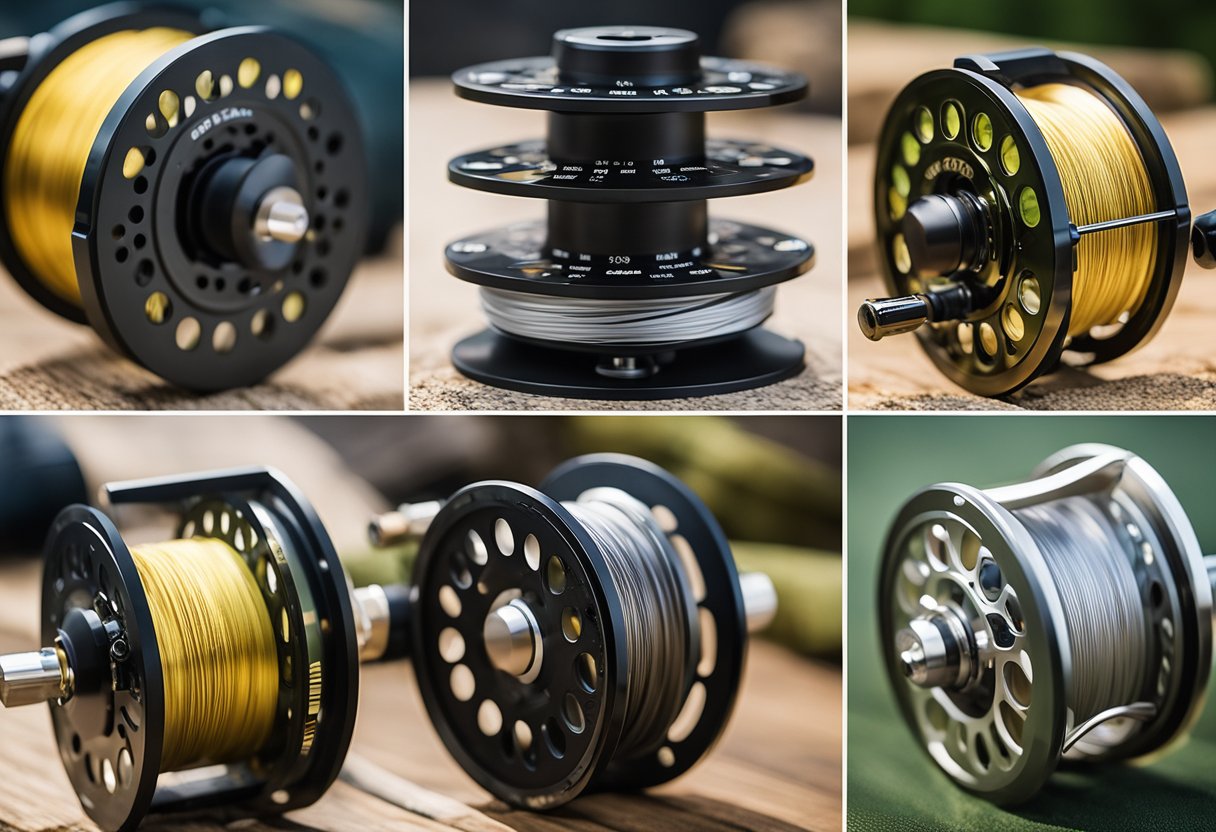
Shooting taper fly lines feature a unique construction that balances weight and taper design. The front taper is relatively long and gradual, allowing smooth turnover, while the body section is thicker to facilitate distance. The rear taper is shorter and stiffer, which helps in controlling the line upon release.
Materials used in these lines often include a core of monofilament or braided nylon, providing durability and minimal stretch. The outer coating is often made from PVC or polyurethane, ensuring effective shooting through guides and minimizing friction. This design helps in achieving maximum distance with minimal effort.
Benefits for Long-Distance Casting
One of the primary advantages of shooting taper fly lines is their ability to cast at long distances. The aerodynamic design reduces drag and allows for a swift, smooth cast.
Additionally, these lines offer a higher weight per foot compared to standard lines, resulting in improved load during the casting stroke. This feature enables me to throw heavier flies, which is particularly useful in surf casting. The combination of these elements makes shooting taper fly lines essential for anglers aiming for extended reach and precision in their casts.
Maintenance of Shooting Taper Fly Lines
Proper maintenance of shooting taper fly lines enhances their performance and durability. I focus on cleaning, storage, inspection, and repair to ensure my lines remain in excellent condition.
Cleaning and Storage
I clean my shooting taper fly lines regularly to remove dirt, sand, and salt. Using warm, soapy water with a gentle detergent helps eliminate contaminants. After cleaning, I rinse the lines thoroughly to prevent residue buildup.
When storing, I avoid coiling the line tightly as it can cause memory issues. Instead, I use line winder tools or store them in a loose figure-eight pattern. I keep the lines in a cool, dry place, away from direct sunlight to prevent damage to the material. Using protective cases can also provide an additional layer of safety.
Inspection and Repair
Regular inspection is crucial for identifying any signs of wear, such as abrasions or discoloration. I examine the line closely for knots, splits, and scratches that could affect performance.
For minor damage, I use a line repair kit that includes adhesive patches and line glue. This allows me to mend small issues without needing to replace the entire line. If the damage is extensive, I consider replacing the line to maintain optimal performance. Taking these steps helps ensure my shooting taper fly lines remain functional and extend their lifespan.
Recommendations for Surf Casting
When selecting the appropriate equipment and techniques for surf casting, there are specific considerations that can enhance performance. Making informed choices can lead to more successful outings and improved casting distance.
Choosing the Correct Line
Selecting the right shooting taper fly line is crucial for successful surf casting. Factors to consider include weight, length, and taper design. A heavier line helps in cutting through wind and reaching greater distances.
Recommended Specifications:
Weight: Often between 8 to 10-weight for optimal performance.
Length: Look for lines in the range of 30 to 50 feet, enabling longer casts.
Taper Design: A shooting taper allows for a quick transfer of energy, facilitating distance.
Additionally, consider the specialized coatings that enhance durability and reduce friction in water. I find that lines with low-stretch cores provide better sensitivity and hook-setting ability.
Techniques for Effective Use
Mastering techniques for surf casting with shooting taper fly lines can greatly improve efficiency. One key aspect is the casting stroke. A smooth, consistent stroke helps maintain line speed and control.
Tips for better casting:
Backcast Timing: Allow for adequate space behind to build momentum.
Follow-Through: Ensure a complete follow-through for maximum distance.
Proper Grip: Hold the rod with a relaxed grip to maintain control and leverage.
Practicing these techniques helps develop muscle memory, leading to more reliable casts. Adjusting your stance and body positioning can also significantly affect casting distance and accuracy.
Top-Rated Shooting Taper Fly Lines
When selecting a shooting taper fly line, I focus on reputable brands known for quality and performance. Here are some top-rated options I consider essential for long-distance surf casting.
1. Airflo Super-Dri Tactical Taper
Type: Floating
Weight: Available in various line weights
Features: Excellent shootability and durability
2. Rio OutBound Short
Type: Sink tip
Weight: Multiple options
Features: Great for casting distance and accuracy
3. Scientific Anglers Sharkskin
Type: Floating
Weight: Various line weights
Features: Textured surface for better distance and reduced tangling
4. Cortland 444 Classic
Type: Floating
Weight: Various line weights
Features: Smooth casting with a traditional feel
5. Orvis Hydros
Type: Floating
Weight: Multiple options available
Features: Advanced coating technology for improved shooting distance
When purchasing, I pay attention to weight compatibility with my rod and the conditions I’ll be fishing. A good shooting taper fly line should enhance casting distance and provide the necessary precision for surf casting.
Selecting the right shooting taper fly line can greatly enhance your steelhead fishing experience. Shooting taper fly lines provide the ideal balance of distance and accuracy, particularly in challenging wind conditions, making them a valuable tool for any angler. I have found that understanding the nuances between shooting taper lines and shooting heads can inform better choices tailored to specific fishing scenarios.
When I choose a shooting taper fly line, I consider factors such as the type of water, my casting style, and necessary presentations. The right line can help achieve a delicate delivery, even in turbulent weather, while maintaining the performance needed for longer casts. By focusing on these aspects, I optimize my setup and increase my chances of landing that elusive steelhead.
Understanding Fly Lines
Fly lines are essential tools in fly fishing, and their design affects casting performance and presentation. I focus here on the types, structures, materials, and design considerations of fly lines to help maximize your fishing experience.
Types and Structures
Fly lines come in various types, each serving specific purposes.
Double Taper (DT) Lines: These lines taper on both ends, making them excellent for delicate presentations and roll casts.
Weight Forward (WF) Lines: These lines have a heavier front taper, which aids in casting distance and accuracy.
Shooting Taper Lines: They are designed for long-distance casting with fewer false casts, allowing for quick line shooting.
Sinking and Floating Lines: Sinking lines help in reaching deeper water, while floating lines stay on the surface, ideal for surface presentations.
The choice between these types is essential based on fishing conditions and target species.
Material and Design Considerations
The material of fly lines significantly impacts performance. Most modern lines are made from PVC or polyurethane, providing flexibility and resistance to wear.
A front taper determines how the line transitions to the leader, affecting turnover and accuracy. The head taper influences the line’s casting characteristics, with longer heads facilitating better distance casting.
When considering floating heads, I prefer those with a slick finish for improved castability. Sinking lines often incorporate varying densities, impacting their sink rates.
Choosing the right combination of materials and design features is crucial for optimizing casting techniques and enhancing fishing success.
The Basics of Shooting Taper Fly Lines
Shooting taper fly lines are designed for distance casting and performance in various fishing conditions. They feature distinct components that set them apart from traditional fly lines, enhancing efficiency and control during casting.
Components of Shooting Taper Lines
Shooting taper fly lines typically consist of three main components:
Front Taper: This section helps transition the energy from the rod to the line smoothly. A well-designed front taper enables a delicate presentation of the fly while providing enough mass to facilitate long casts.
Integrated Shooting Head: This part combines the benefits of a shooting head with a running line, allowing for seamless casting and retrieval. The shooting head is heavier, achieving greater distance while the running line maintains control.
Running Line: The thinner section that follows the shooting head facilitates fast line retrieval and reduces drag. Its smooth surface minimizes friction through the guides, enhancing casting efficiency.
Advantages Over Traditional Fly Lines
Shooting taper fly lines offer several advantages compared to conventional lines:
Distance: The design allows for longer casts with less effort, making it easier to reach distant targets, particularly in larger water bodies.
Accuracy: These lines provide improved control during the cast, enhancing my ability to place the fly precisely where I want it.
Wind Resistance: The streamlined profile combats wind more effectively, allowing me to make accurate presentations in breezy conditions.
Using a shooting taper line improves my casting skills and increases my chances of success, especially when targeting species like steelhead.
Opting for Shooting Taper Vs Shooting Head
When deciding between shooting taper fly lines and shooting heads, it’s essential to consider the specific fishing conditions and personal preferences. Each type has its unique features and benefits that cater to different fishing scenarios.
Shooting Heads Explained
Shooting heads consist of a weighted front section designed to carry the fly, attached to a running line. They provide an excellent balance for casting in various distances. The integrated shooting head simplifies the setup, combining both components into one streamlined unit. This design minimizes tangling and maximizes ease of use.
A key characteristic of shooting heads is their versatility. They excel when casting large flies in windy conditions or reaching distant targets. I appreciate the ability to match different head weights for specific water types, enhancing my accuracy with lighter setups. Mono running lines often accompany these heads, allowing for longer casts and better line management.
Comparative Analysis
Comparing shooting taper fly lines with shooting heads offers insights into their strengths. Shooting taper lines feature a gradual front taper, enhancing turnover. They are ideal for delicate presentations and casting lighter flies with precision.
In contrast, shooting heads provide more energy transfer, creating powerful casts against winds or strong currents. They are often better for targeting specific depths, especially in moving water, making them more suitable for steelhead fishing.
Considerations:
Casting Technique: Shooting heads often require more practice to use effectively, while taper lines are generally more forgiving.
Fly Size: Heavier or larger flies pair better with shooting heads for effective casting.
Ultimately, the choice between them depends on the specific fishing environment and the type of flies I intend to use.
Choosing the Best Shooting Taper Fly Line
When selecting a shooting taper fly line, it’s important to focus on the target species, the water conditions, and how the line matches with your rod. Steelhead fishing requires precision, especially when utilizing heavy flies and sink tips.
Considering the Target Species
For steelhead fishing, I prioritize lines that can handle a variety of water conditions and fly sizes. Steelhead are known for their strength and unpredictability, which necessitates a robust line capable of casting heavy flies. I often opt for shooting taper lines designed to deliver these larger offerings effectively.
If I’m targeting steelhead in a river, I look for lines that offer a good balance of power and sensitivity for detecting soft takes. The taper of the line should facilitate both long casts and short, accurate presentations when needed, ensuring that I can adapt to varying conditions.
Water Conditions and Presentation
The water conditions play a crucial role in my fly line selection. In fast-moving rivers, I must choose a line that can cut through wind and reach the right depths. A shooting taper fly line works well in these scenarios due to its inherent design, allowing efficient energy transfer during casts.
When fishing in still or slow-moving waters, delicacy in presentation can be critical. I often select a line with a lighter front taper to present my flies subtly, especially in clear conditions where spookiness can be an issue.
Line Weight and Rod Compatibility
Matching my shooting taper fly line to the rod weight is essential for optimal performance. I typically choose a line that matches the rod weight, often one line weight heavier for better short-distance delivery with heavy flies.
Using the correct weight ensures that the line loads the rod properly, resulting in improved casting accuracy. If I use a sink tip, I pay even closer attention to compatibility, as it affects the overall balance and performance of my setup during steelhead fishing.
I keep a range of line weights on hand to adapt to different rods and fishing situations. This versatility allows me to make informed choices based on specific fishing conditions, enhancing my experience on the water.
Specialty Shooting Taper Lines for Conditions
Selecting the right shooting taper fly line can significantly enhance your fishing experience, especially when facing specific environmental challenges. Whether it’s battling strong winds or navigating deeper waters, understanding specialty lines can make all the difference.
For Windy Environments
When fishing in windy conditions, I prefer lines designed to cut through the breeze effectively. The Wulff Ambush line stands out for this purpose, featuring a unique taper that provides better aerodynamics. This line helps maintain casting accuracy while delivering flies to the desired zone.
Another option is the Rio Outbound Short. With its heavier head, it allows for improved turnover and distance without excessive backcasting. The combination of weight and taper enables me to minimize tangles and maximize efficiency in challenging winds.
Sink Tips for Depth Control
For situations requiring deeper presentations, sink tips are essential. Specialty shooting taper lines often incorporate sink tips to help reach fish at various depths. This design facilitates better control during the swing, ensuring the fly stays in the strike zone longer.
For instance, combining a shooting taper with a sink tip can allow for effective swinging of flies at different depths. The versatility of these lines helps adapt to varying water conditions, making it easier to target steelhead and other species effectively.
Choosing the right sink tip can enhance my ability to adjust to changing conditions, ensuring that I connect with fish when it matters most.
Tactics and Techniques
When fishing for steelhead, employing the right tactics and techniques is crucial. I focus on effective casting methods and presentation strategies to maximize my chances of success.
Effective Casting Methods
One of the best techniques I use is the double haul. This method increases line speed and distance, making it easier to cast heavy flies in windy conditions. I find that combining the double haul with a strong snap of the wrist helps send my line out smoothly.
Casting in various situations is important. For example, when targeting steelhead with heavy flies, I prefer a low, controlled casting motion to keep the line close to the water. In contrast, for dry fly fishing, I adopt a delicate presentation, allowing the fly to land softly on the surface.
The Wulff Ambush technique is effective for precise casting, especially in tricky currents. By making sure that my fly lands at the right angle, I create a more enticing presentation for the fish.
Presentation Strategies
Presentation is key for attracting steelhead. I concentrate on using different methods based on conditions. For nymphing, I use slow, steady retrieves that mimic natural movement underwater, increasing my chances of a strike.
When swinging flies, I employ a strategic approach. I focus on the swing angle and speed, making sure the fly behaves naturally in the water. Varying the depth can also entice fish that might be holding in different water columns.
For delicate presentations, I pay close attention to my leader setup. A longer leader can help in keeping the fly line off the water, allowing for a more subtle approach. Adjusting my technique based on the day’s conditions has proven beneficial for me.
The Role of Fly Line in Fly Fishing Success
The fly line plays a crucial role in the effectiveness of my fly fishing experiences. Its characteristics directly impact techniques, catch rates, and overall fishing success. Understanding how the right fly line can enhance my performance is essential.
Influence on Catch Rates
The type of fly line I choose directly influences my catch rates. For techniques like nymphing or swinging flies, the right line allows for optimal presentation. A shooting taper line helps to cast heavy flies efficiently while maintaining a delicate presentation.
In windy conditions, using a shooting taper ensures that I can get my fly to the desired location while minimizing drag. It also allows me to perform a proper double haul, which adds distance and accuracy to my casts. Each line’s taper and weight determine how well I can control my fly’s movement, thus improving my chances of hooking fish like bonefish, permit, or even tarpon.
Marketing and Consumer Awareness
Understanding the nuances of different fly lines is essential as a consumer. Marketing often emphasizes performance features, yet it’s crucial for me to recognize how various lines cater to specific styles. For example, a shooting head versus a shooting taper can dramatically change my experience based on target species and fishing conditions.
I pay attention to detailed descriptions that focus on benefits rather than just specifications. This awareness allows me to choose lines that complement my techniques, whether I am engaging in dry fly fishing or targeting species like steelhead. Engaging with communities and reviews also aids in navigating the landscape of fly line options, ensuring informed decisions.
Equipment and Gear Selection
Selecting the right gear is crucial when using shooting taper fly lines. The combination of line, rod, and accessories directly affects performance and casting efficiency. I focus on pairing lines appropriately with rods and optimizing the setup with essential accessories.
Pairing Lines with Rods
When choosing a shooting taper fly line, I consider the rod’s specifications, particularly its weight (WT) rating. For instance, a switch rod typically pairs well with a shorter shooting head. This allows for better control in tight situations.
I also take into account the desired casting distance and techniques. Lighter lines perform well on fast-action rods, while heavier lines benefit from slower-action rods. I often prefer brands like Rio Gold for versatility, especially in varied water conditions. A precise match enhances sensitivity, allowing me to detect even subtle strikes.
Accessorizing for Optimization
To fully optimize my shooting taper setup, I use specific accessories. I commonly utilize a mono running line for its minimal memory and low visibility in water. This complements my shooting head effectively, ensuring smooth casting and retrieval.
Additionally, I consider using Amnesia line as a backing. Its low stretch helps in preserving sensitivity and maintaining the strength needed for steelhead. I also keep options for sinking lines on hand; they can be beneficial in deeper waters. Each accessory plays a vital role in my success, enhancing my overall experience on the water.
When it comes to surf casting, the choice of fly line can significantly impact your casting distance and accuracy. I believe that shooting taper fly lines are essential for anyone looking to improve their long-distance casting capabilities. These lines are specifically designed to deliver optimal performance when casting in challenging surf conditions.
Shooting taper fly lines feature a unique design that allows for smoother casts and better line management. I personally recommend looking for a floating shooting taper fly line, as it remains buoyant while still delivering the necessary distance to reach distant targets. This versatility makes them ideal for a variety of surf fishing situations, enhancing the overall experience.
Selecting the best shooting taper fly line can be a game changer for your fishing strategy. By understanding the specific traits of these lines, I can ensure that my casts are not only longer but also more precise. With the right line in hand, I’m equipped to maximize my time on the water and improve my chances of landing that trophy catch.
Overview of Shooting Taper Fly Lines
Shooting taper fly lines are designed specifically for long-distance surf casting. They consist of distinct components that enhance performance and provide essential benefits for anglers seeking to maximize their casting range.
Components of Shooting Taper Fly Lines
A shooting taper fly line typically includes three primary components: the front taper, the body, and the running line.
Front Taper: This section smoothly transitions from the thicker body to the thin running line, enabling streamlined casting.
Body: This part is generally heavier and helps load the rod quickly during the cast.
Running Line: The thinnest section allows for rapid shoot-out during long-distance casts, reducing air resistance.
In addition, backing is usually attached to the running line, providing additional length and strength as fish pull line from the reel.
Benefits of Shooting Taper for Long-Distance Casting
Utilizing a shooting taper fly line significantly enhances casting performance. The design helps achieve greater distances with less effort, making it easier to cover expansive surf areas.
The thinner running line reduces drag, enabling quicker line management during retrieval. Also, the weight distribution of the line aids in casting heavier flies or additional weight, facilitating deeper presentations in surf.
With these advantages, a shooting taper fly line becomes a key element for any angler aiming for long-distance success.
Selecting the Best Shooting Taper Fly Line
Choosing the right shooting taper fly line can significantly impact your surf casting success. I focus on key aspects when selecting a line, such as suitability for long distances and whether to opt for a floating or sinking type.
Key Considerations for Choosing a Fly Line
When selecting a shooting taper fly line, consider the weight and length suited for your specific casting needs. Your rod’s specifications should guide you in choosing the correct line weight, often rated on a scale from 3 to 12.
Also, think about the environment where you’ll be fishing. For surf casting, I prefer lines that can handle wind and waves efficiently. Water conditions like clarity and current strength can also affect my choice. The line’s taper design is crucial for achieving distance and accuracy.
Comparing Top Shooting Taper Fly Line Brands
Several brands stand out in the shooting taper category. Scientific Anglers is notable for its innovative design and quality. Their Mastery MPX series offers excellent performance in a variety of conditions.
Other brands like Airflo and Rio provide specialty lines tailored for long-distance casting. For floating lines, I often choose options that feature a healthy balance between stiffness and flexibility, enhancing control and distance. Each brand has unique products, so I recommend testing a few to determine which feels best for me.
Floating vs Sinking Shooting Tapers
I often face the choice between floating and sinking shooting taper lines. Floating lines are preferable for topwater presentations or when fishing in less turbulent environments. They maintain buoyancy, allowing for delicate presentations and easy visibility.
In contrast, sinking lines excel in deeper waters and during specific conditions, such as when targeting fish that reside below the surface. They allow me to reach deeper zones quickly. Evaluating the types of fish I aim to catch and their behavior will guide my decision in line selection.
Targeting Specific Species with Shooting Taper Fly Lines
Shooting taper fly lines offer versatility that can be crucial when targeting specific fish species. Their design allows for accurate, long-distance casting, making them suitable for both saltwater and freshwater applications.
Fly Lines for Saltwater Species
When targeting saltwater species such as tarpon and striped bass, I favor shooting taper fly lines that enable quick, powerful casts. The optimal choice is a floating line, which facilitates the presentation of large streamers or baitfish patterns.
For instance, I often use a line with a stiffer tip to enhance turnover speed, crucial for achieving long distances. Line weight matters too; a heavier line allows for better drag and control against currents and winds.
Key considerations:
Line Weight: Match the line with the weight of your fly.
Tip Design: A stiffer tip enhances casting ability.
Leader Length: Keep it shorter for better line turnover.
Catering to Freshwater Game: Trout and Salmon
For targeting trout and salmon, a shooting taper fly line is equally effective, particularly in freshwater settings. I prefer a setup that maintains sensitivity while ensuring accurate presentations. A floating line works well for surface patterns, while a sinking tip may be ideal for deeper runs.
In my experience, color and texture can also play significant roles. Using bright colors helps increase visibility in varying water conditions. Additionally, choosing a tapered line allows for seamless transitions when casting smaller nymphs or streamers.
Important factors:
Taper Style: Select according to the water depth.
Color Choice: Bright colors enhance visibility.
Fly Size: Tailor the line to match the fly size for better performance.
Advanced Techniques for Surf Casting with Shooting Tapers
When using shooting taper fly lines for surf casting, precision is key. I focus on mastering my timing and release. A smooth, consistent cast maximizes distance and accuracy.
To achieve long distances, I utilize double hauling. This technique involves pulling on the line with both hands during the cast, which increases line speed and distance.
I also pay attention to the casting angle. Casting slightly upward allows the line to gain height, helping it to travel farther. This is particularly effective when aiming for striped bass in surf zones.
Wind conditions play a significant role. Casting into the wind requires a more streamlined approach. I make sure to lower my rod tip during the cast to cut through the wind effectively.
Additionally, I use a casting retrieve that promotes line shoot. As I retrieve, I keep my rod angle lower and use smooth motions. This lessens drag and facilitates longer casts.
Lastly, choosing the right fly patterns is essential. I match my flies to local baitfish to increase my chances of attracting striped bass. A well-chosen pattern enhances my overall effectiveness in the surf.
These techniques require practice, but they lead to better results and improve my surf casting experience significantly.